![[personal profile]](https://www.dreamwidth.org/img/silk/identity/user.png)
StoryWorth: Qualities
Apr. 26th, 2019 09:54 pmWhat qualities do you most value in your partner?
I think the single most important quality for me is happiness. Many people seem wired to find the negative in every situation, to worry about what might happen around the corner and down the road, and to rehearse every grievance until it's wrung of every drop of anger and indignation. I can't live with that--when I try, I spend way too much energy trying to cheer the person up, find the bright side, make their life easy in hopes of their finding happiness with me, which many people just aren't going to do. Realizing this was a major breakthrough in my relationship history and made me value Jason's essential good humor enormously.

A deep sense of commitment is also key for me. I was raised by parents who were married for life and being able to make and live that kind of partnership was something that I was always looking for. Jason sometimes says that for him the best thing about being married was letting go of the decision--it was made and he no longer has to wonder whether or not to marry, because he did. This plays out not only in just not separating, but in showing up every day to make our lives together good, in being willing to work on our communication and find ways to enhance our connection and our mutual ease and happiness.

Being openly loving is also very important. We sometimes call it "The Love Game," taking joy in finding ways to say and show that we love each other every day, finding new games to play together, new inside jokes that reinforce our connection. I see other couples who seem to revel in something different, in teasing each other with dislike, and while I get that joking about it might release steam, or disarm the negative potential of the relationship, that's not a comfortable way of interacting for me. Physical affection is an important part of this--we touch each other often, we hug many times throughout the day, and the best part of every day is holding each other as we fall asleep.
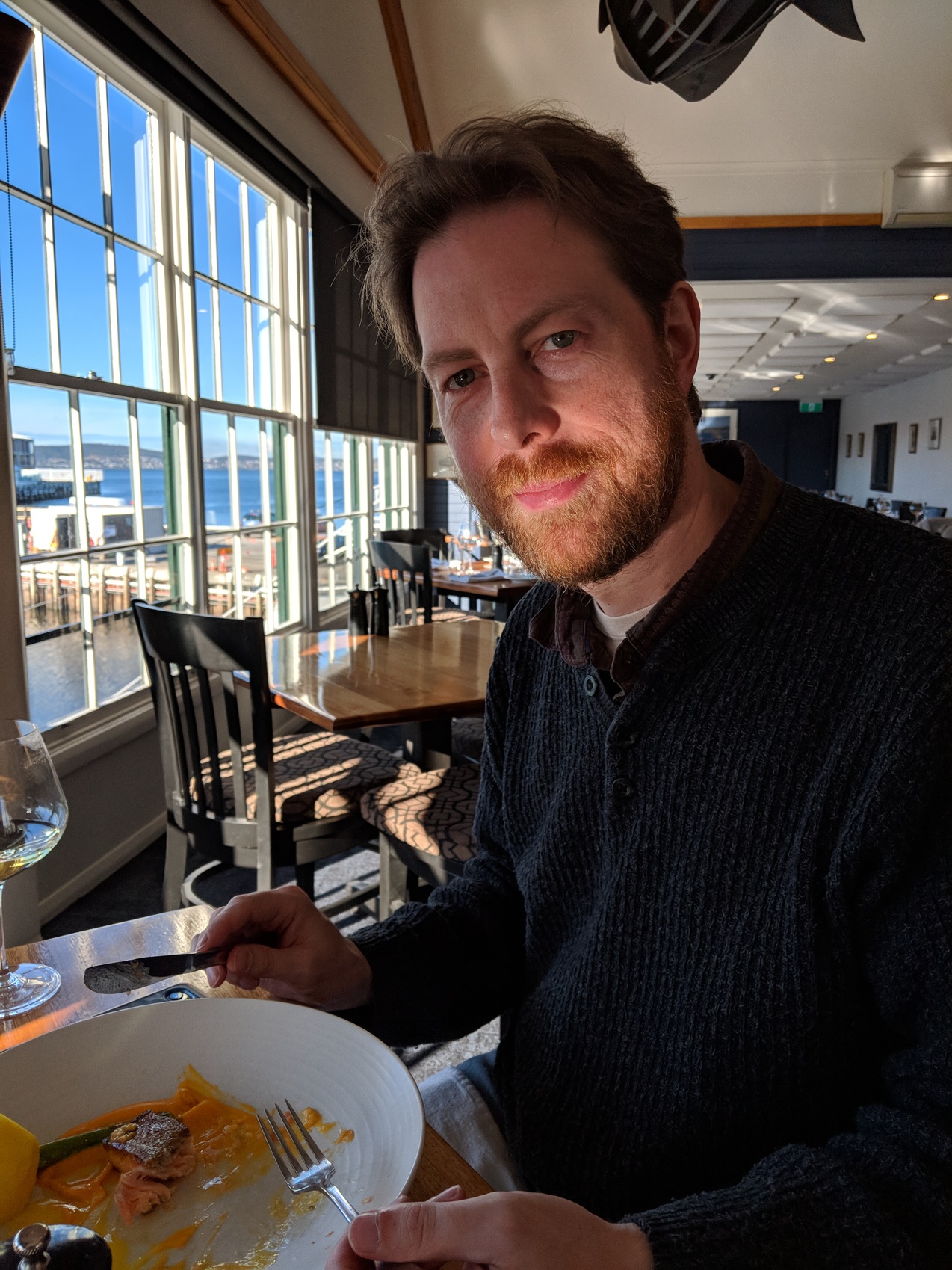
I don't think I could be partnered with someone who didn't share a basic curiosity about the world, an eagerness to try new things, travel to other parts of the world, try new foods, or share cool articles about science and interesting insights about the human condition. We can spend hours together talking about everything and nothing, because each of us is interested in how the other sees the world and in sharing what we see with each other.

A willingness to be a full partner is another essential quality. Jason and I have different strengths, but we are working together toward the same goals. We communicate freely about our priorities. We share values. We are here for each other, whether that's maintaining a balance in chores, or figuring out how to parent equitably. We're not using each other to get what we each want, we're cooperating to get what both of us want, and each other's happiness is vitally important. We love working together and are able to spend the bulk of our time in the same space. I've heard it said that in all relationships there is one who loves more, but our love is intense on both sides and very well balanced. I feel incredibly privileged to have found a partner like this.
Lastly, but perhaps most importantly, it matters enormously to me that we enable each other to be our best selves and give each other the freedom to do that. Given what interdependent lives we lead, I think it would be impossible without the counterweight of respect and independence that suffuses our relationship.
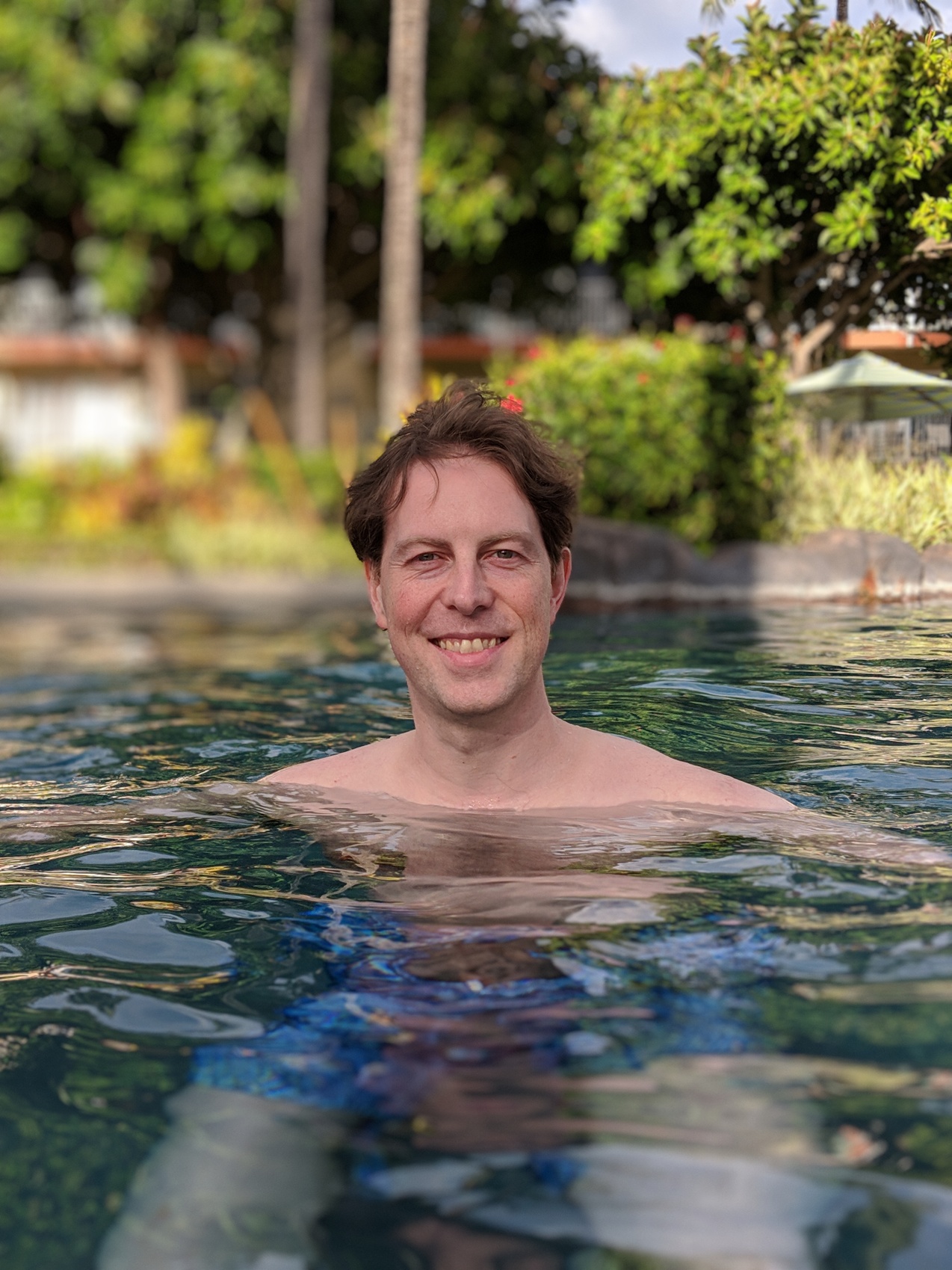
In swimming lessons, we always had to have a buddy. It was your responsibility to know where your buddy was, to stick together, and when the whistle blew, to find each other and keep each other safe. That's one of the things that marriage is--a hand to grab in the deep water when the whistle blows. It's good to have a buddy.
I think the single most important quality for me is happiness. Many people seem wired to find the negative in every situation, to worry about what might happen around the corner and down the road, and to rehearse every grievance until it's wrung of every drop of anger and indignation. I can't live with that--when I try, I spend way too much energy trying to cheer the person up, find the bright side, make their life easy in hopes of their finding happiness with me, which many people just aren't going to do. Realizing this was a major breakthrough in my relationship history and made me value Jason's essential good humor enormously.
A deep sense of commitment is also key for me. I was raised by parents who were married for life and being able to make and live that kind of partnership was something that I was always looking for. Jason sometimes says that for him the best thing about being married was letting go of the decision--it was made and he no longer has to wonder whether or not to marry, because he did. This plays out not only in just not separating, but in showing up every day to make our lives together good, in being willing to work on our communication and find ways to enhance our connection and our mutual ease and happiness.
Being openly loving is also very important. We sometimes call it "The Love Game," taking joy in finding ways to say and show that we love each other every day, finding new games to play together, new inside jokes that reinforce our connection. I see other couples who seem to revel in something different, in teasing each other with dislike, and while I get that joking about it might release steam, or disarm the negative potential of the relationship, that's not a comfortable way of interacting for me. Physical affection is an important part of this--we touch each other often, we hug many times throughout the day, and the best part of every day is holding each other as we fall asleep.
I don't think I could be partnered with someone who didn't share a basic curiosity about the world, an eagerness to try new things, travel to other parts of the world, try new foods, or share cool articles about science and interesting insights about the human condition. We can spend hours together talking about everything and nothing, because each of us is interested in how the other sees the world and in sharing what we see with each other.
A willingness to be a full partner is another essential quality. Jason and I have different strengths, but we are working together toward the same goals. We communicate freely about our priorities. We share values. We are here for each other, whether that's maintaining a balance in chores, or figuring out how to parent equitably. We're not using each other to get what we each want, we're cooperating to get what both of us want, and each other's happiness is vitally important. We love working together and are able to spend the bulk of our time in the same space. I've heard it said that in all relationships there is one who loves more, but our love is intense on both sides and very well balanced. I feel incredibly privileged to have found a partner like this.
Lastly, but perhaps most importantly, it matters enormously to me that we enable each other to be our best selves and give each other the freedom to do that. Given what interdependent lives we lead, I think it would be impossible without the counterweight of respect and independence that suffuses our relationship.
In swimming lessons, we always had to have a buddy. It was your responsibility to know where your buddy was, to stick together, and when the whistle blew, to find each other and keep each other safe. That's one of the things that marriage is--a hand to grab in the deep water when the whistle blows. It's good to have a buddy.


![[livejournal.com profile]](https://www.dreamwidth.org/img/external/lj-userinfo.gif)

